

Most managed service providers grow their first dozen clients on referrals alone, and then plateau hard. The global MSP market exceeded $441 billion in 2025 and grows at roughly 11 percent annually, meaning new competitors enter your local market every quarter and passive word-of-mouth is no longer a growth strategy.
This guide scores the six service pillars that separate a genuine MSP marketing vendor from an agency that simply builds websites and calls it done. Use the scorecard below to grade any firm you are evaluating before you sign a contract.
Key Takeaways
- Marketing MSP services is not a single tactic; a capable vendor delivers an integrated program covering SEO, content, outbound ABM, CRM automation, and social proof working in sequence, not in silos.
- The global MSP market topped $441 billion in 2025 and continues growing at double-digit rates, so competition for the same local IT buyer intensifies every quarter you delay building a structured marketing program.
- Score any MSP marketing vendor on six pillars before you hire: website quality and messaging, local and niche SEO, content and inbound engine, outbound ABM, marketing automation with CRM integration, and social proof plus referral programs.
- MSPs that depend on referrals alone are losing ground; a 2024 survey of more than 1,000 MSPs found that growth and profitability now depend on niche vertical focus and strong marketing, not on passive discovery.
What Marketing MSP Services Means and Why Referrals Are No Longer Enough
Marketing MSP services is the structured practice of making a managed service provider visible, credible, and persuasive to the right buyers at every stage of their decision process. It covers search optimization, content production, outbound account targeting, marketing automation, and the social proof assets that convert skeptical IT decision-makers.
The distinction that matters most is that it is a program, not a tactic. A vendor that delivers only SEO, or only a website redesign, is selling one component of a machine that requires all its parts to produce predictable pipeline.
There are an estimated 150,000 to 200,000 companies calling themselves MSPs globally, but research from MSPAlliance suggests only 5,000 to 10,000 meet a verifiable maturity level that buyers can confirm. That crowding makes differentiated marketing a survival issue, not a growth luxury.
The commercial intent behind the phrase ‘marketing msp services’ signals that buyers are comparing vendor options, not looking for a DIY tutorial. The right answer to give any buyer at this stage is simple: a complete MSP marketing program covers six pillars, and any vendor missing two or more of them is delivering an incomplete service.
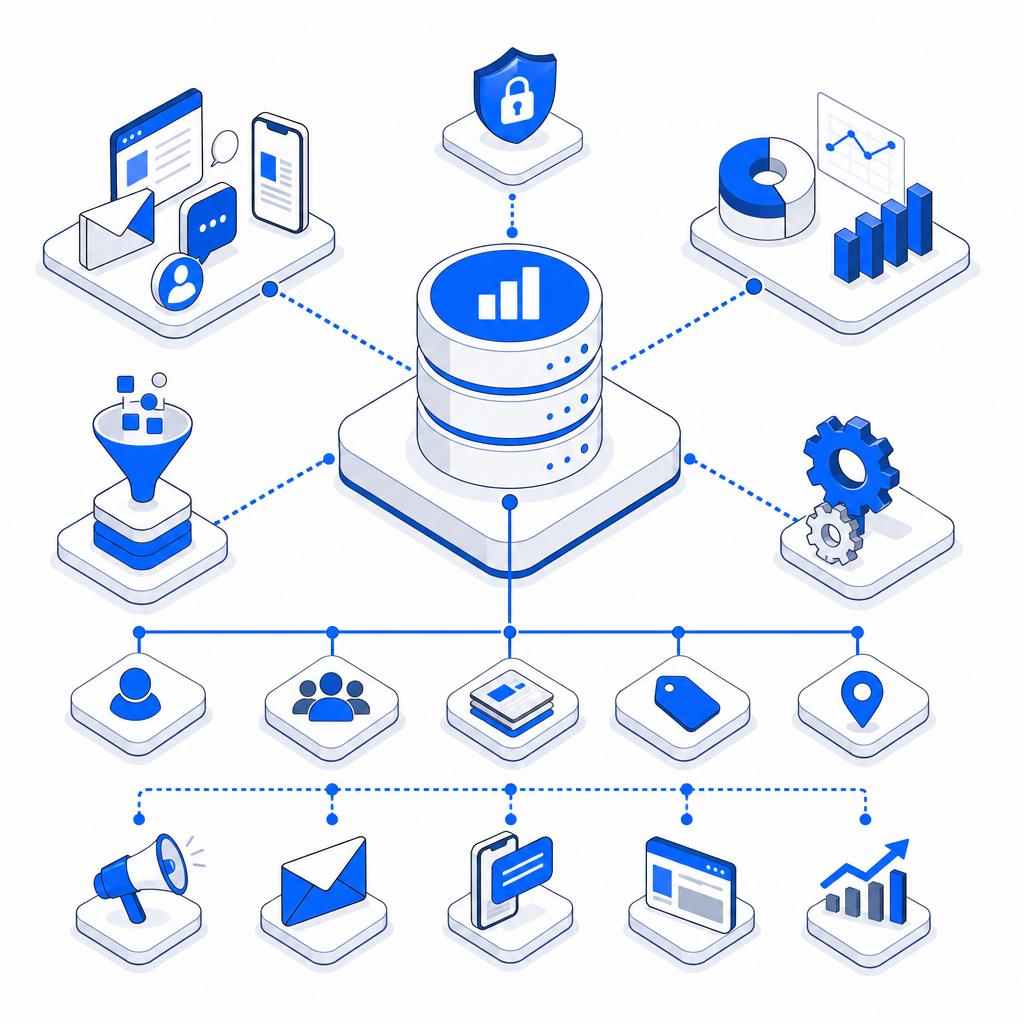
The Six-Pillar Scorecard: What a Capable MSP Marketing Vendor Delivers
Pillar 1 is a clearly messaged, technically sound website that explains who is served, what problems are solved, and why this MSP is trustworthy above competitors. Every paid ad, every cold email, and every referral eventually lands on a web page, making this the foundation tier that every other channel depends on.
Pillar 2 is local and niche SEO coverage targeting city-level phrases like ‘IT support in [city]’ alongside vertical-specific terms like ‘HIPAA-compliant IT’ or ‘cybersecurity for accounting firms.’ Combining geographic intent with industry-specific keywords is how a regional MSP competes against national brands in search results without a national ad budget.
Pillar 3 is a sustained content and inbound engine: blogs, eBooks, whitepapers, videos, and lead magnets mapped to MSP buyer pain points and both short- and long-tail keyword demand. Pillar 4 is outbound account-based marketing (ABM), meaning a structured program that identifies named companies and decision-maker roles and reaches them through LinkedIn outreach, direct mail, and events.
Pillar 5 is marketing automation and CRM integration, where automated drip sequences and lead-scoring workflows deliver educational content to prospects without manual effort from the MSP owner or sales team. Pillar 6 is social proof and referral programs: case studies with quantified results, video testimonials, and incentivized referral structures that produce the highest-trust leads of any channel.
Inbound Marketing: How SEO and Content Build a Compounding Pipeline
Inbound marketing led by SEO and content is the only MSP marketing channel that builds a compounding asset. A well-optimized service page on ‘managed IT for dental practices’ can rank on page one and generate qualified inbound calls for three to five years after it is published, with zero incremental spend per lead.
Vertical-specific content is particularly powerful because it intercepts buyers at the moment of highest intent. A prospect typing ‘HIPAA-compliant IT support’ into Google is not doing research; they have a compliance requirement, a timeline, and budget authority, which means the MSP that ranks there is talking to a buyer, not a browser.
Local SEO compounds the inbound effect by capturing city-level searches from buyers who strongly prefer a provider within driving distance. Claiming and optimizing a Google Business Profile, building local citations, and earning geo-tagged reviews are foundational steps that a marketing vendor should execute in the first 30 to 60 days of engagement.
Long-tail keyword content, such as comparison articles and FAQ pages, targets buyers deeper in the decision process who are weighing specific vendors or asking ‘how much does managed IT cost for a 50-person firm?’ These pages convert at higher rates than broad informational posts because the reader already has a shortlist and is looking for a reason to act.

Outbound and ABM: Reaching High-Value Accounts Before They Ever Search
Outbound and account-based marketing address a structural weakness in pure inbound programs: the most valuable MSP prospects, typically 50- to 250-seat companies in compliance-heavy industries, often do not self-identify through search. A decision-maker at a regional law firm or a mid-market dental group is not necessarily Googling ‘managed IT provider’; they are running their business and need to be reached directly.
A structured ABM program starts by building a named account list filtered by employee count, industry vertical, geography, and technology signals such as expiring vendor contracts or recent compliance audit failures. LinkedIn outreach to the IT manager or operations director, combined with a direct mail touchpoint and a sequenced email program, can book a discovery meeting with a prospect who has never visited the MSP website.
The combination of inbound and outbound is what separates growing MSPs from stagnant ones. A 2024 industry survey of more than 1,000 MSPs confirmed that growth and profitability now depend on niche vertical focus and strong marketing, with the highest-growth cohort consistently running both inbound content programs and structured outbound campaigns in parallel.
Marketing Automation and CRM Integration: Scale Without Adding Headcount
Marketing automation is the pillar most MSPs underinvest in because the setup effort is front-loaded and the payoff is delayed by 60 to 90 days. A properly configured HubSpot, ActiveCampaign, or ConnectWise-integrated CRM instance creates a single view of every prospect from first content download to signed agreement, replacing scattered spreadsheets and forgotten follow-ups.
Automated drip sequences deliver security checklists, compliance guides, case studies, and pricing signals to leads at timed intervals without any manual effort from the sales team. A prospect who downloaded a cybersecurity risk assessment in January can receive six targeted follow-up emails over eight weeks and arrive at a discovery call already familiar with the MSP’s methodology and client results.
Lead scoring is the automation feature that most directly accelerates revenue by eliminating the guesswork from outreach timing. When a prospect visits the pricing page, opens three emails in a row, and downloads a vertical-specific case study, the system flags that account as high-intent and routes an alert to the sales rep for same-day outreach.
MSPs that implement CRM and email automation can scale campaigns with significantly less manual workload, which is critical for providers that run a team of five or six people and cannot afford to hire a dedicated marketing coordinator. A vendor that does not offer CRM integration as a standard service component is leaving the MSP’s most scalable growth lever untouched.
Social Proof, Case Studies, and Referral Programs: Closing the Trust Gap
The trust gap in MSP sales is real and measurable. MSPAlliance estimates there are up to 200,000 companies calling themselves MSPs, while only a fraction operate at a level that sophisticated buyers can verify, meaning a prospective client has almost no way to distinguish a capable provider from a mediocre one based on a service page alone.
Case studies with specific outcome numbers do more to close that gap than any amount of marketing copy. A case study that says ‘reduced unplanned downtime by 41 percent for a 75-seat manufacturing firm over 12 months’ gives a prospect a concrete, comparable benchmark, while a generic page that says ‘we provide reliable IT support’ gives them nothing to act on.
Video testimonials from peers in the same industry carry disproportionate persuasive weight in the IT buyer’s journey because they transfer trust directly from a recognized peer. An operations director at a healthcare clinic is far more likely to book a call after watching a 90-second testimonial from another clinic’s administrator than after reading any amount of vendor-written content.
Incentivized referral programs, structured with a defined reward for every qualified introduction that converts to a discovery call, consistently produce the highest close rates of any MSP lead source because the referred prospect arrives with pre-established trust from someone they already respect. A marketing vendor that treats referral program design as an afterthought rather than a core deliverable is leaving the highest-ROI channel underdeveloped.
How to Compare and Score MSP Marketing Vendors Before You Commit
The first test is the onboarding and strategy process. Ask the vendor: how do you develop our ideal client profile, and what deliverables do we receive in the first 30 days before any campaigns go live?
Agencies that skip ICP development and jump straight to ad setup or blog production are executing tactics without a strategy to connect them.
Ask to see two or three case studies with quantified pipeline or revenue outcomes from MSP clients in markets with a comparable size and vertical mix to yours. Any agency that has been marketing MSP services for more than 18 months should have at least one detailed, numbers-backed case study; a portfolio of only design screenshots is a red flag.
Evaluate whether the vendor has genuine channel DNA by asking whether any principals have operated or worked inside an MSP. Agencies with direct channel experience understand PSA tools, recurring revenue dynamics, MDF funding, and the 6- to 18-month sales cycles that make MSP marketing fundamentally different from marketing a retail product or a SaaS application.
Finally, demand attribution reporting that connects marketing activities to pipeline value, not just to traffic and impressions. A vendor that reports on ‘blog posts published’ and ‘social media followers gained’ without connecting those activities to qualified leads and revenue is measuring the wrong things, and you will not know whether your investment is working until it is too late to course-correct.
Frequently Asked Questions
What does marketing MSP services actually include?
Marketing MSP services covers six interconnected pillars: a clearly messaged and SEO-optimized website, local and vertical SEO, a sustained content and inbound engine, outbound account-based marketing, marketing automation with CRM integration, and social proof programs including case studies, testimonials, and incentivized referrals. A vendor that delivers only one or two of these pillars is providing a component, not a complete marketing program.
How much should an MSP budget for marketing MSP services?
Industry benchmarks typically place marketing investment at 5 to 10 percent of target annual revenue for a growth-stage MSP, with the mix shifting toward more automation and content production as the program matures. An MSP targeting $3 million in managed revenue should expect a minimum annual marketing spend of $15,000 to $30,000 to run a program that generates measurable, consistent pipeline.
How long does it take for a marketing MSP services program to produce leads?
Outbound ABM and paid search campaigns can produce booked discovery calls within 30 to 60 days of a well-structured launch. SEO and content marketing typically require 6 to 12 months to rank consistently and deliver organic leads, but those leads carry a lower cost per acquisition and a higher close rate than leads generated through cold outbound.
What is account-based marketing and why do MSPs need it?
ABM is a targeted outbound strategy that builds a list of specific companies and decision-maker contacts, then delivers coordinated outreach across LinkedIn, email, direct mail, and events to advance those named accounts through the pipeline. MSPs need ABM because their highest-value prospects, typically 50- to 250-seat firms in healthcare, finance, or legal, rarely self-identify through inbound search and must be reached proactively.
How do I know if an MSP marketing vendor is actually delivering results?
Request case studies with pipeline or revenue figures from MSP clients in comparable markets, ask for a live look at their attribution reporting dashboard, and speak directly to a current client reference before signing. Then score the vendor against the six pillars in this article: any vendor missing competency in website quality, local SEO, content, outbound, automation, or social proof is delivering an incomplete service regardless of how polished their own marketing looks.
If you are evaluating how a full-service agency approaches this discipline, start with our overview of MSP marketing to see how the six pillars fit together in practice.
If you are building or refining your own program, the Msp Marketing Strategy Checklist provides a step-by-step framework that maps each of these six pillars into an actionable roadmap.

About the author
Steve Dempsey - Owner / Founder
Steve Dempsey is the owner and founder of The SEO IT Guy, an SEO agency for managed IT services providers that he started after more than 20 years running his own IT support company.